
Every December, Liverpool gets a little quieter. Families from across South-West Sydney fly out to Lebanon, Egypt, Iraq, Vietnam, India, Fiji and the Pacific to spend the holidays with relatives, and others head to Europe. It is one of the best things about living in such a connected community.
It is also why our GPs see a rush of last-minute travel appointments in mid December, often too late for vaccines to do their job. This article explains why November is the practical deadline for travel vaccinations in Liverpool, which vaccines are commonly recommended, what happens in a travel consultation, and what it costs.
Why timing matters more than most people realise
Vaccines do not work the moment the needle goes in. Your immune system needs time to respond, and several travel vaccines need two or three doses spaced weeks apart. That is why healthdirect recommends seeing your doctor 6 to 12 weeks before you travel.
- Hepatitis B is a course spread over several months, although a faster schedule may be possible if time is short.
- Rabies pre-travel vaccination is a course of doses given over several weeks.
- Yellow fever vaccine must be given at least 10 days before arrival where a certificate is required.
If you fly out in mid December, a consultation in early November leaves a realistic window for a full course. If you have left it later, still come in. Partial protection beats none, and the consultation covers far more than injections.
Common travel vaccines by destination
What you need depends on where you are going, how long you stay and your own vaccination history. These are the vaccines our GPs discuss most often with Liverpool travellers.
- Hepatitis A spreads through contaminated food and water and is commonly recommended for the Middle East, South Asia, South-East Asia and the Pacific.
- Typhoid covers many of the same regions, especially longer stays with family where you eat local food every day.
- Hepatitis B is worth checking if you were not vaccinated as a child, particularly for longer trips or where medical or dental treatment overseas is possible.
- Measles catch-up matters for everyone. The Australian Immunisation Handbook recommends that people born during or since 1966 who have not had two doses of a measles vaccine receive one before travelling, because outbreaks in Australia often start with returning travellers.
- Influenza is the most common vaccine-preventable infection among travellers, and December and January sit in the middle of the northern hemisphere flu season.
- Rabies is considered for some travellers, especially children, rural stays and parts of Asia where contact with dogs or monkeys is likely.
- Yellow fever applies only to parts of Africa and South America, and the vaccine is only available through accredited yellow fever vaccination centres.
- Malaria prevention is not a vaccine. It is a course of prescription tablets started before you leave and continued after you return, combined with careful mosquito avoidance.
Not everyone needs everything. Three weeks with relatives in Beirut or Cairo is a very different trip from three months trekking in rural India, and your GP will match the advice to your actual plans.
What a travel consultation covers
A travel medicine consultation is a structured conversation, not just a set of injections. Expect your GP to work through the following.
- Your itinerary: countries, regions, length of stay, accommodation and planned activities.
- Your medical history, current medicines, allergies and any previous reactions to vaccines.
- Routine catch-ups such as tetanus, whooping cough, measles and the flu vaccine, which are easy to forget when the focus is on exotic diseases.
- Letters for medications you are carrying, enough supply for the whole trip, and a check that your medicines are legal at your destination.
- Food and water advice, a plan for traveller’s diarrhoea, insect bite prevention and malaria tablets where they are needed.
Children who are up to date with the National Immunisation Program already have good protection, but travel can bring their schedule forward. The Handbook notes that babies aged 6 to 12 months travelling to areas with measles outbreaks can have an early measles dose, and some travel vaccines have minimum ages, so children need their own plan.
If you are pregnant or planning a pregnancy, say so at the start. Live vaccines such as measles and yellow fever are generally avoided in pregnancy, malaria is more dangerous for pregnant women, and Smartraveller advises pregnant travellers to consider delaying travel to areas with Zika virus.
What this looks like at Trinity Healthcare Centre
- Tell reception it is a travel consultation, how many people are travelling and your departure date. A family booking usually needs a longer appointment.
- Bring your itinerary, any immunisation records (the Medicare app or your child’s Blue Book are ideal) and a list of your regular medicines.
- The GP consultation is bulk billed for patients with a valid Medicare card. Most travel vaccines are not funded under the National Immunisation Program, so they are private prescriptions with a cost. Reception will tell you before any charge applies, and our appointments and fees page has more detail.
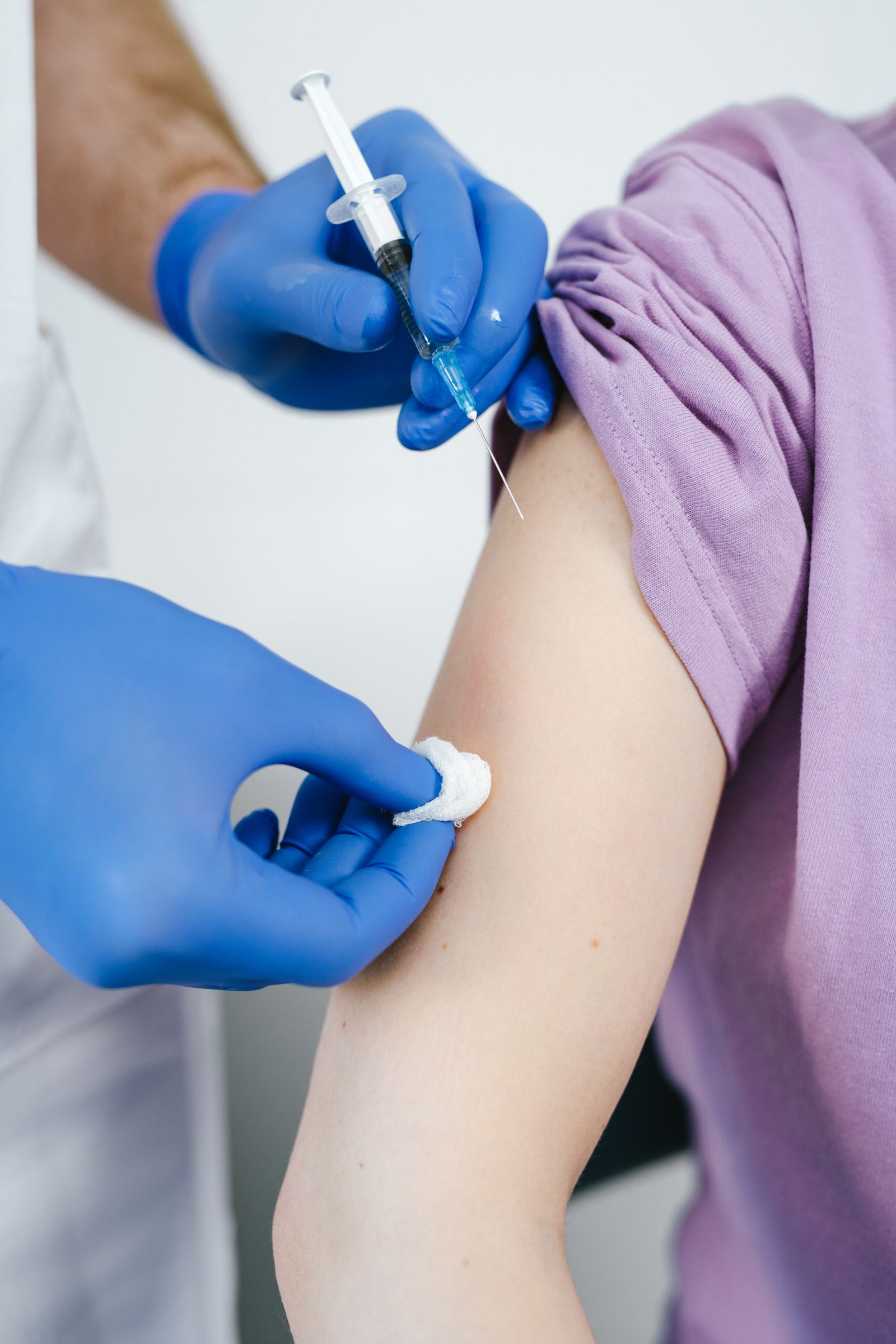
- Depending on the vaccine, it may be given on the day or you may be asked to fill a prescription and return, so allow for more than one visit. Our GPs and registered nurses give the injections on site, and routine immunisation catch-ups for the whole family can be done at the same time.
- We are open Monday to Friday 8am to 6pm and Saturday 8am to 1pm at 157-161 George Street, Liverpool.
See your GP sooner if…
- You are leaving in less than six weeks and have not started any vaccines.
- You are pregnant, planning a pregnancy or travelling with a baby under 12 months.
- You live with diabetes, heart, lung or kidney disease, or take medicines that weaken your immune system.
- Your trip involves rural areas, animal contact, long stays or medical or dental treatment overseas.
- You develop a fever after returning from a malaria area. This needs same-day assessment, and if someone is very unwell, confused or struggling to breathe, call 000.
Frequently asked questions
Is it too late if I fly out in three weeks?
No. You may not be able to complete every course, but single-dose vaccines such as hepatitis A, typhoid and influenza can still give useful protection, and your GP can prioritise what matters most for your destination.
Are travel vaccines bulk billed?
The GP consultation is bulk billed if you have a valid Medicare card. The vaccines themselves are mostly private prescriptions with a cost, because they are not covered by the National Immunisation Program. Reception can explain what applies to you before anything is charged.
Do I really need vaccines just to visit family in Lebanon, Egypt or Vietnam?
Visiting friends and relatives is actually a higher-risk type of travel, because you stay longer, eat home-cooked local food and live as locals do rather than in tourist hotels. Hepatitis A, typhoid and a measles check are commonly recommended for exactly this kind of trip.
Book your travel vaccinations in Liverpool
If you are travelling overseas in December or January, this month is the time to act. Book online through HealthEngine on our online booking page or call (02) 9822 7107.
Sources
- Smartraveller: Avoiding infectious disease when travelling
- healthdirect: Travel vaccinations
- Australian Immunisation Handbook: Vaccination for international travellers
- NSW Health: Measles
- healthdirect: Yellow fever
This article is general information and does not replace advice from your GP.